What AI Can't Do: Why You Still Need an Accountable Human
I run an AI-native agency, and even I'll tell you an AI website builder can't do these six things. Here's what still needs a human, and why.
Key Takeaways
- AI website builders genuinely work now. Pretending otherwise is how agencies lose your trust.
- The real question is not "can AI build my website?" It is "who is accountable for the outcome?"
- AI cannot pick up the phone when your site goes down on your busiest day. A human with a backup plan can.
- Strategy comes from conversations about your business, not prompts. And AI will never tell you your idea is wrong.
- The messy middle (migrations, DNS, email, integrations) is where DIY website projects quietly die.
- The modern model is AI production plus a named human who answers for the result. That combination is cheaper than the old agency model, not more expensive.
Hello! Mike here. If you have spent any time on LinkedIn or YouTube lately, you have seen the message: anyone can build a website with AI now. No designers, no developers, no agencies. Type a prompt, get a site, done.
So why would you pay an agency?
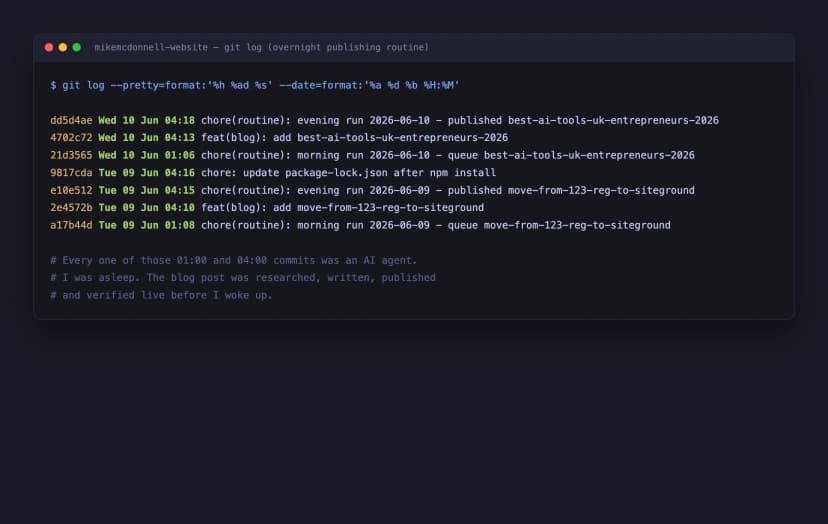
Fair question. And before I answer it, let me be clear about who is answering. I run Glide, an AI-native agency. AI agents publish content for me overnight. AI writes most of our code. I have written publicly about how I run the whole agency on AI, with commit logs as proof. I am about the furthest thing from a web designer defending his old job from the robots.
Which is exactly why you should take this seriously: even I will tell you there are things AI cannot do. Not "cannot do yet". Cannot do, structurally, because they are not building problems. They are accountability problems.
First, the honest bit: yes, AI can build you a website now
I am not going to strawman the tools, because they are genuinely good. The current AI builders can produce a clean, modern, mobile-friendly site in an afternoon. The copy will be passable. The design will be fine. For a hobby project or a simple brochure site with nothing riding on it, that might well be all you need.
The whole industry knows this. Webflow is restructuring itself around agentic tools. Wix laid off around a thousand people while rebuilding the company around AI. Every platform you have heard of is racing to make "type a sentence, get a website" real, and they are largely succeeding.
Here is what that shift leaves behind for agencies like mine: the work nobody wants. The migration with no clean export path. The thing that breaks at 2am. The half-finished AI project that needs someone to make it work. I know because that is increasingly what lands in my inbox.
So no, the pitch is not "AI sites are rubbish". The pitch is six specific things the tools cannot do, each with a real-world consequence. Here they are.
1. Be accountable when it breaks
Every website breaks eventually. An update goes wrong, a plugin conflicts, a host migrates something badly, a renewal lapses. The question is never if. It is who picks up the phone when it does.
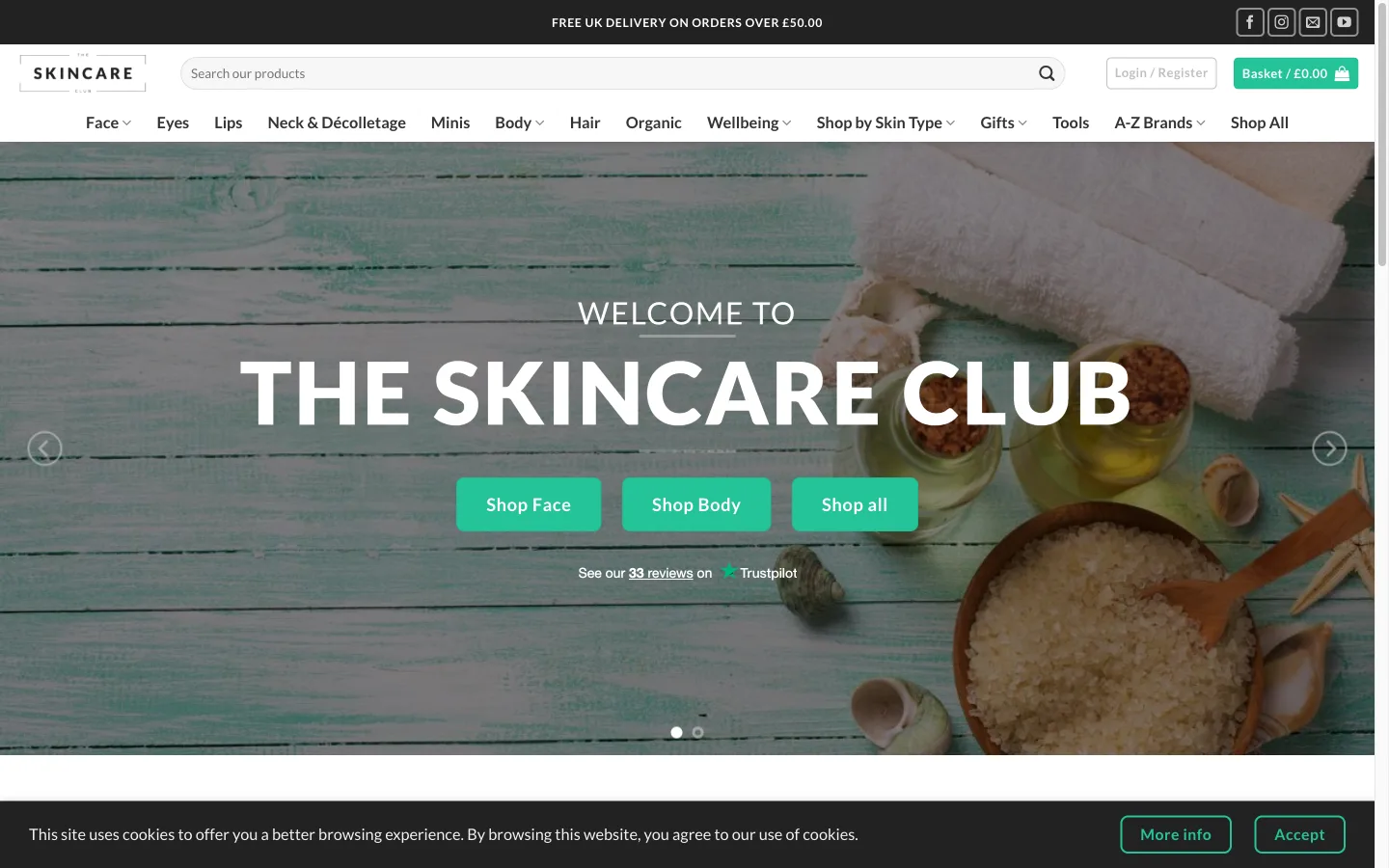
Last week's example from our own client list. A skincare ecommerce store had its entire site wiped by a botched core update. Not "a bit broken". Gone, with the database overwritten by demo content. Orders, products, years of work. For an online store, that is the business switched off.
We restored it from backup and had it live again in a day. The client left an unprompted five-star review, and the line that stuck with me was the relief in it. Not "great design". Relief.
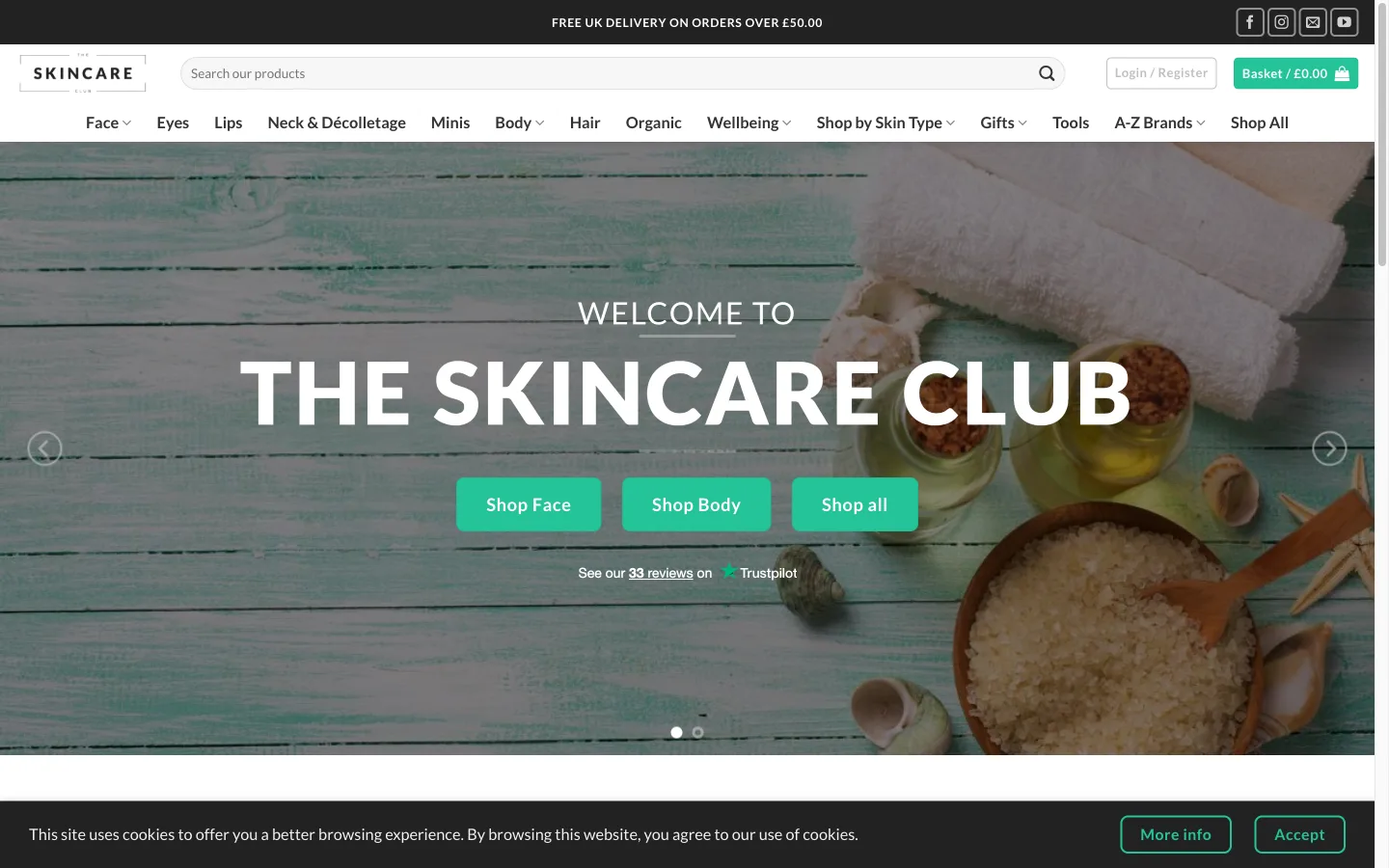
Now run the same scenario on a DIY AI build. Who do you call? The builder's support queue? A help forum? The AI that made the site has no memory of you, no backup plan it owns, and no skin in the game. Nobody is paid to care that your store is down. That gap costs nothing right up until the day it costs you everything.
2. Know your business
An AI builder knows what you typed into the prompt box. That is it. It does not know that half your enquiries come from one referral partner, that your margins are better on one service than another, or that the customers you want keep mistaking you for a cheaper competitor.
That stuff comes out in conversation. Every good website decision I have made for a client started with something they said on a call, usually something they did not think was important. The page structure, the offer, what goes above the fold: that is strategy, and strategy comes from a human asking questions, not from a prompt.
The consequence of skipping it is subtle, which is what makes it dangerous. You get a site that looks finished and says nothing. It describes your industry instead of your business. Visitors read it, feel nothing, and click back to Google.
3. Say no to you
This one matters more than people realise. AI tools are agreeable by design. Ask one to build a website for a terrible idea and it will build it enthusiastically, beautifully, and fast.
Part of what you pay a decent agency for is the no. No, do not put all nine services on the homepage. No, that price positioning will attract the wrong clients. No, you do not need a blog you will never write. I have talked people out of work they were ready to pay me for, because it would not have got them anywhere, and a client who wins stays for years.
An AI yes-machine will never do that. It will build the wrong thing to a very high standard, and you will not find out it was the wrong thing for six months.
4. Judge quality
Here is the uncomfortable secret of AI production: AI generates quickly but judges poorly. It cannot reliably tell its own good output from its own slop, because everything it makes looks plausible to it.
I see this daily, because AI drafts most of what Glide produces. The drafts are good. They are also wrong in small, confident ways: a claim that is not quite true, a paragraph that sounds like every other website on the internet, a layout choice that technically works and feels off. Catching that takes taste, and taste is still entirely human.
Most AI-built sites never get that filter. That is why so many of them share the same hero section, the same three-column feature grid, the same vaguely motivational copy. The consequence is a website that quietly signals "nobody senior looked at this", and customers pick up on it even when they cannot say why.
5. Handle the messy middle
The tutorials always show the fun part: prompt in, pretty homepage out. They never show the messy middle, because the messy middle does not demo well.
Migrating ten years of content off a dying platform without losing your Google rankings. Pointing DNS without taking your email down for two days (this one bites more businesses than anything else). Connecting the booking system, the payment provider, the CRM, the newsletter tool, and making them all agree about who your customers are. Redirect maps. SSL quirks. The contact form that silently stopped sending a month ago.
None of that is glamorous, and all of it is the actual job. It is precisely the work AI platforms leave with you, and it is where DIY projects stall, half-live, with email broken and the old site still ranking. We have built sites in days rather than months using AI, and I can tell you the build is now the quick bit. The messy middle is what you are really hiring for.
6. Care about the result in 12 months
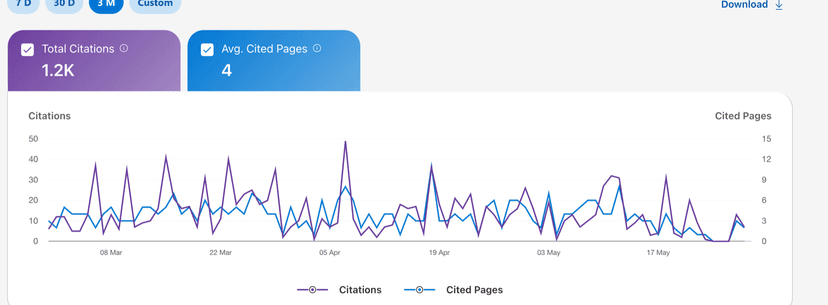
A website is not a launch. It is the start of a feedback loop. Somebody has to watch Search Console, notice which pages Google is rewarding, fix the ones it is ignoring, and act on what the data says, month after month. That ongoing technical work is a discipline in itself, and I have written up exactly how we approach it if you want the detail.
An AI builder does not do this. Not because it technically could not, but because nobody is responsible for it. The tool's job ended at publish. Most owners open Search Console once, feel mildly confused, and never go back. Twelve months later the site that looked great at launch is invisible, and nobody noticed it happening.
The sites that win are not the ones that launched best. They are the ones somebody kept caring about.
The real question is not AI or human
So here is where I land, as somebody who uses these tools more than almost anyone you will meet.
"Should I use AI to build my website?" is the wrong question. AI will be involved in building your website either way. If you do it yourself, AI builds it. If you hire us, AI builds most of it too, and I say that openly. The right question is: who is accountable for the outcome?
With a DIY AI build, the answer is you. Your evenings, your DNS records, your 2am problem, your Search Console nobody checks. For some businesses that is a fine trade. Genuinely.
Glide's answer is different: AI does the production, and a named human answers for the result. Me. Not a ticket queue, not a chatbot, a person you can call whose reputation is attached to your website working. We use whatever platform fits the job, WordPress, Shopify, Next.js or fully custom, because we are not married to any of them. The tools are interchangeable. The accountability is the product.
What that costs
Here is the part that surprises people: this model is cheaper than the old agency model, not more expensive, and AI is the reason why.
The old model charged you thousands up front because human production time was the cost. AI removed most of that cost, so we removed the big invoice. What we do includes the ongoing work I have spent this whole post arguing matters most: the maintenance, the watching, the judgement, the human who picks up the phone.
You are no longer paying anyone for typing speed. You are paying for taste, strategy and accountability. Those got more valuable as the typing got free, not less.
If you are weighing up an AI builder against hiring someone, I am happy to give you a straight answer either way. Sometimes the honest answer is "use the builder, you do not need us yet", and I have given exactly that answer before now. Ask me on the form and you will get a straight one back.
Mike McDonnell, Founder of Glide Marketing. More about how I work.
Frequently asked questions
Should I use AI to build my website?
If you need a simple brochure site, low stakes, no integrations, and you are comfortable maintaining it yourself, an AI builder is a perfectly reasonable choice. If the website generates leads or revenue, the real question is not whether AI can build it. It is who is accountable when it breaks, who sets the strategy, and who watches the results after launch. That part still needs a human.
Are AI website builders any good now?
Yes, genuinely. The current generation can produce a clean, professional-looking site in hours. Anyone telling you the output is rubbish is defending their old business model. The weaknesses are not in the building. They show up later: maintenance, strategy, quality judgement, and the moment something goes wrong.
What happens if my AI-built website breaks?
That is the gap. An AI builder has no on-call human, no backup plan it owns, and no accountability for your lost sales. You are left with help forums and support tickets. We recovered a client ecommerce store that a botched update wiped, restored from backup in a day, because a human had a recovery plan and acted on it.
What is the difference between an AI website builder and an agency that uses AI?
The builder gives you the tool and leaves the outcome with you. An AI-native agency uses the same class of AI for production, but wraps it in human strategy, quality control, maintenance and a named person who answers for the result. You are not paying for typing speed any more. You are paying for judgement and accountability.
Is an agency-built website better for SEO than an AI-built one?
Not automatically. The technical output can be similar. The difference is what happens after launch. SEO results come from someone watching Search Console, spotting what Google is rewarding, and acting on it month after month. AI builders do not do that for you, and most owners never get round to it.
How much does a Glide website cost compared to an AI builder?
Glide builds websites with no five-figure invoice up front, and the ongoing work is part of the job rather than a separate bill. What it costs depends on what the site needs, and you get that figure in writing on the first call. An AI builder subscription is cheaper on paper, but the difference buys you strategy, maintenance, recovery plans and a human who is accountable for the outcome. AI production is why we do not need to charge thousands up front.
Will my website be built by AI or by a person at Glide?
Both, and we are open about it. AI does most of the production work, which is why builds take days rather than months. A human, usually me, sets the strategy, reviews everything, and signs it off. Nothing goes live without a person judging it first, and a person stays responsible for it afterwards.