Marketing for regulated firms, built so growth never becomes a compliance problem.
If your adverts, your website and your claims are policed by someone, most agencies are a risk rather than a route to growth. Glide builds and runs marketing for FCA-regulated firms and accountancy practices, with the sign-off step built into how the work happens. One monthly retainer from £1,000 plus VAT, no five-figure upfront build.
The problem is not that you cannot market. It is that most agencies cannot market you.
Regulated firms end up in one of two places. Either marketing gets avoided because it feels risky, and the pipeline quietly comes down to referrals and luck. Or it gets handed to a generalist agency who writes whatever converts, and someone senior spends their week unpicking claims that should never have been made.
Neither is a growth plan. The firms that do this well treat compliance as part of the marketing process rather than a gate at the end of it, which is exactly how we run it.
How we write for a firm that has to get its marketing approved
Every agency says it understands compliance. Almost none will say anything concrete about it. Here is how we think about the work.
We write to the rulebook, not around it
Copy is drafted against the standard that applies to you: FCA financial-promotion rules and Consumer Duty for regulated firms, professional-body guidance for accountancy practices. Claims, balance and risk wording get handled in the first draft rather than patched after someone objects.
We write for the person who has to approve it
If you are an appointed representative, your principal firm carries the regulatory responsibility for what you publish, which is why it wants to see marketing before it goes live. We write with that reader in mind, and we show our reasoning for any claim, so approval is a shorter conversation.
We know which rules bite
Quoting a single rate on a mortgage page pulls in the full standard information under the mortgage rules, including an APRC shown at least as prominently as the rate and a representative example at least 51% of responding customers would get. Knowing where the tripwires sit is most of the job.
Your compliance record stays yours
The rules put the duty to keep a record of approved promotions on the authorised firm or principal, not on the agency. We work to that, rather than pretending we can take a regulatory obligation off your hands that was never ours to hold.
The sectors we work in
Different regulators, same underlying problem. Pick the one that describes your firm.
Financial advisers and IFAs
Your ads and landing pages count as financial promotions, which is the FCA term for marketing that invites someone to take up a regulated service. We market advice firms without turning growth into a compliance problem.
Regulated by FCA
Financial Advisers & IFAsMortgage and protection brokers
Written to clear your network’s compliance first time, so you spend your week on cases instead of rewrites.
Regulated by FCA
Mortgage BrokersAccountancy practices
A trust-led website plus the practice automation that gives you your time back, and help with the MTD repricing conversation.
Regulated by ICAEW, ACCA or AAT
AccountantsCompliance consultancies and RegTech
Get found for the work you do: s166 skilled person reviews, the Consumer Duty, client money rules (CASS) and FCA authorisations. We already rank a firm like yours.
Regulated by FCA
Compliance ConsultanciesWhat you get, whichever sector you are in
- A website that reads as credible to your clients and defensible to your regulator
- SEO and AI-search work so the people already looking for your service find you first
- Google and Meta Ads, including Google’s verification check, which stops most firms getting ads live
- Reporting you can read, and one accountable team rather than an account manager relay
- One monthly retainer from £1,000 plus VAT, no five-figure upfront build
See the results we have produced, the pricing, or read whether IFAs can run Google Ads.
A client in this niche, in her own words
“They actually now feel like part of our business and our team, and they understand our business really well, which really helps us.”
Dawn
Aireside Accounting
Read the Aireside story
Proof we can market inside these rules
Marketing for regulated firms, answered
The questions compliance-minded firms ask us first.
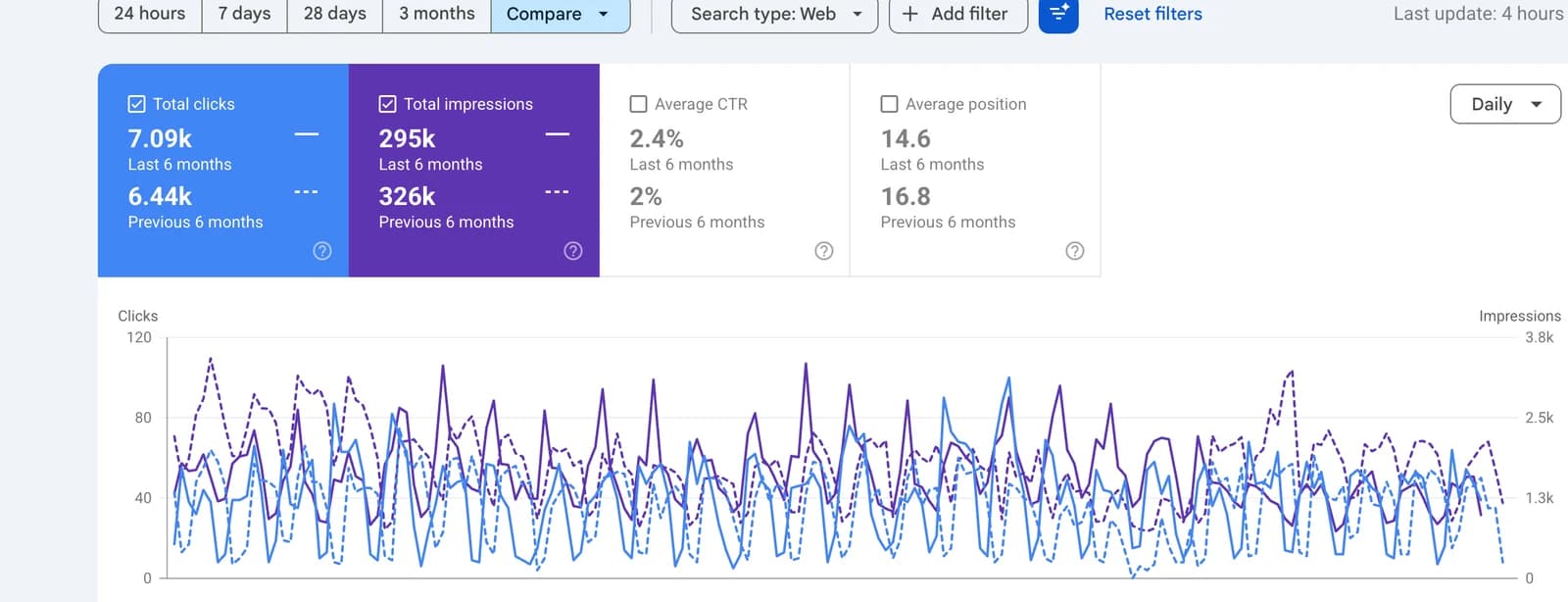
We already run compliant search and paid campaigns for an FCA compliance consultancy, which is a client whose entire business is knowing these rules. That work is on the site as a case study. It is the reason we lead with this rather than treating financial services as one sector among many.
That is the design goal. Most brokers and appointed representatives have marketing pre-approved by their network or principal firm, so we write for that reviewer from the start and hand over something they can sign, rather than something you have to defend.
Yes, but Google makes financial services firms prove they are FCA authorised before their ads can run, and that step stops a lot of firms before they start. We handle the verification and build the campaigns to respect financial-promotion rules. There is a full guide to this on our blog.
Yes. The constraint is different, AML supervision and your professional body rather than the FCA, but the shape is the same: your marketing has a rulebook and most agencies do not read it. We also automate practice admin, which is usually the bigger win for an accountancy firm.
From £1,000 a month plus VAT, website included, with no five-figure upfront build fee. That is the floor rather than the average: larger regulated firms with more services, paid media and automation sit higher. We will tell you early if we are not the right fit.
Your own website counts. The CAP Code has applied to marketing on a company’s own website, and other non-paid-for space under its control, since 2011. That sits on top of whatever your regulator or professional body requires, so a regulated firm is answering to two rulebooks on the same page of copy.
No, and we would rather say so plainly than let you assume otherwise. Professional-body guidance is explicit that a firm may outsource its marketing but remains responsible for marketing carried out on its behalf, whatever the agency’s reputation. The rules also put the duty to keep records of approved promotions on the authorised firm or principal, not on the agency. What you get from us is work drafted to the standard first time, with our reasoning shown, so your approval is a short conversation.
No. The advertising code names it directly: removing negative reviews while publishing positive ones, or giving the positive ones greater prominence, counts as publishing reviews in a misleading way. The code requires incentivised reviews to be declared, and requires you to hold evidence that a testimonial is genuine plus contact details for whoever gave it. Review widgets set to a five-star filter are common and they are a problem.
The advertising code says a marketing communication must not display a trust mark or claim approval, endorsement or authorisation by any body without that authorisation, or outside its terms. It is worth auditing every badge on your site against what you are entitled to say. It separately bans implying endorsement by the ASA or CAP.
Faster than you expect, because the approval step is planned in rather than discovered at the end. We draft to the standard, send you something your compliance function or principal can sign, and build the review turnaround into the timeline. The delay in regulated marketing is almost never the writing. It is the rewriting after someone objects to a claim that should not have been made.
Growth that your compliance function can live with
Tell us what your firm does and who regulates it. We will tell you straight whether we are the right fit.
Tell us what you're working on
Fill in the form and tell us what you're trying to achieve, who you're going after and what you can spend. Mike reads every one and comes back with a straight answer on whether we can help.
Tell us about your projectTakes two minutes. No calls, no diary tennis. A reply within one working day.